Tallinn and maritime collections
Tallinn’s position on the Gulf of Finland makes it an important urban starting point for Estonia’s maritime history. Port development, trade, defence and ship technology can be read alongside the city’s changing relationship with the sea. The Estonian Maritime Museum is a real institution, and the Seaplane Harbour is a widely identifiable museum site associated with it. Check the institution’s official visitor information for current exhibitions, access, prices and schedules.
Ships and harbour buildings are only part of the story. Maps, instruments, photographs, records and personal accounts can explain how vessels operated and how port systems supported them. Look for interpretation that connects technical objects with the people who built, navigated, maintained and used them.
Islands and coastal towns
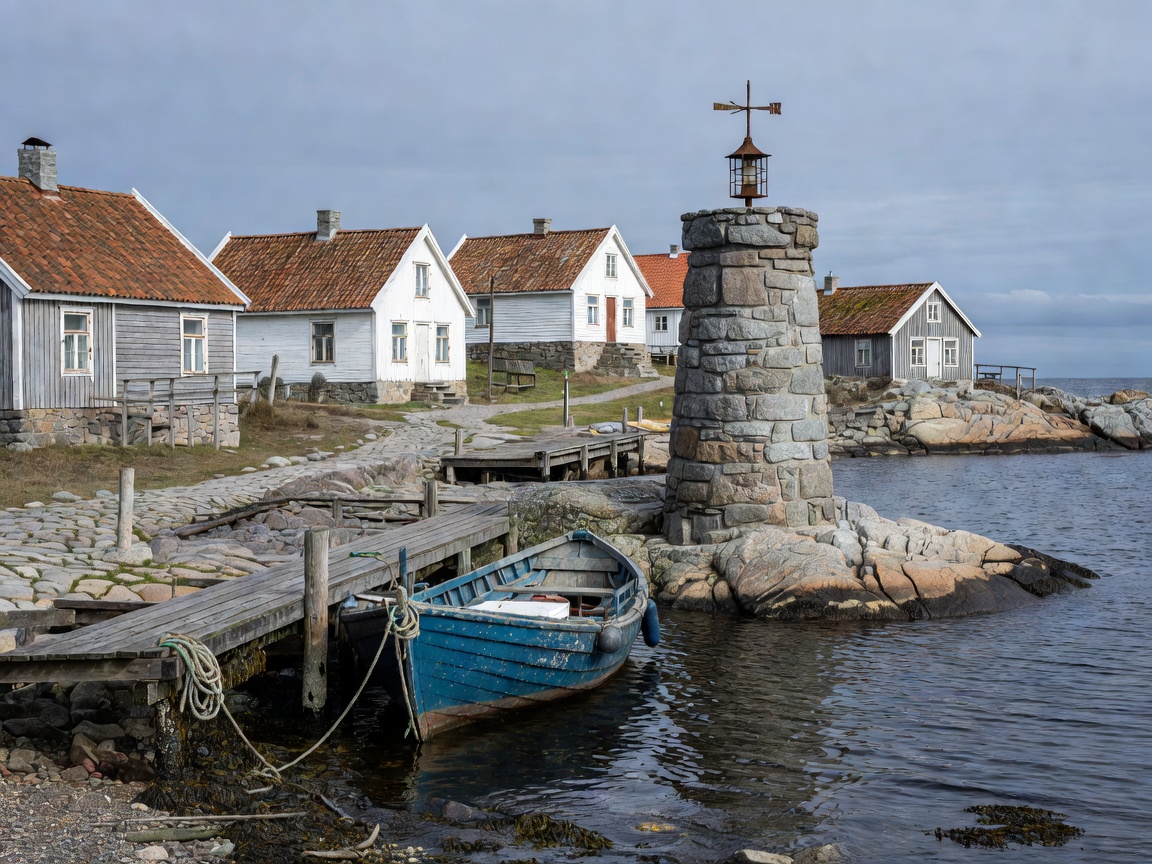
Estonia’s islands and varied coastline create a maritime landscape shaped by crossings, local ports and access to the sea. Communities may have histories tied to fishing, boat use, transport and seasonal work. Island and coastal collections can place these subjects in a local setting, where routes and weather were practical features of everyday life.
Do not treat the coast as a single uniform region. An exposed shore, sheltered harbour and island channel present different conditions. Craft and working practices respond to those conditions. Where a regional collection exists, its value may lie in a community-specific account rather than an exhaustive national survey. Confirm its operating status and transport connections before travel.
Fishing and shipbuilding
Fishing heritage includes boats, nets, repair, processing, knowledge of local waters and the organization of work. Look for evidence of who performed each task and how activity changed across seasons. Objects alone may not make those relationships clear; oral histories, photographs and carefully written interpretation can provide context.
Shipbuilding and maintenance can be represented through plans, tools, models, machinery, workshop records and preserved craft. These materials reveal design decisions and labour. A shipyard collection may also connect industry to port growth and transport networks. Verify vessel names, dates and specifications from a reliable institutional source rather than repeating unsourced claims.
Naval heritage and trade
Naval and commercial histories overlap in their use of ports, vessels, technology and trained crews, but they are not interchangeable. A naval collection may focus on state service, defence and personnel. A port or trade collection may focus on cargo, labour, administration and route networks. Compare the stated scope to understand what a museum includes and what lies outside it.
Trade routes are best understood through several kinds of evidence. Charts show geography and intended movement; port records show transactions and administration; objects may indicate exchange and consumption. No single display captures the full network. A museum’s account should be read alongside the region’s geography and historical context.
Navigation and maritime technology
Navigation relies on charts, instruments, landmarks, signals and experience. A compass indicates direction relative to magnetic north; practical navigation also requires position, route planning and awareness of conditions. Coastal lights and other aids can illuminate the history of safe passage, but not every lighthouse is open or interpreted as a museum. Verify access through the responsible site or operator.
Maritime technology also includes propulsion, communications, ship construction, repair and safety. A well-explained instrument display shows how an object was used and what limits it had. A technical drawing can clarify design, while a preserved vessel gives a sense of scale. Conservation and safety may restrict access to working or historic structures.
Tartu and broader transport history
Tartu is inland and should not be described as a coastal port. It may be relevant to wider transport or national history through collections that examine movement beyond the shoreline. To understand Estonia’s maritime network, compare coastal ports and island connections with inland transport links. This wider view helps explain how goods and people moved between sea and interior.
Choose a useful visit
Choose a site by subject: Tallinn for an urban maritime institution; a coastal or island collection for local work and landscape; a transport collection for connections between modes; or a technical display for ships and navigation. Then verify practical details directly. Ask whether a named exhibit is open, what language support is available, and whether there are restrictions on stairs, vessel access or photography.
- Check opening dates, prices and temporary closures with the institution.
- Confirm transport and return connections for islands and coastal locations.
- Check whether access is seasonal or weather-dependent.
- Allow time to compare local collections with national context.
Good for
- Visitors interested in Tallinn’s maritime history and museum collections.
- Research into island, fishing and coastal community heritage.
- Comparing navigation, shipbuilding and transport themes.
What to know
Current displays, opening hours, prices and access arrangements can change. Confirm details with each institution before visiting. This independent guide is not affiliated with museums, ports or public authorities.
Related guides
Baltic regions · Museum types · Latvia · Lithuania
CORRECTION / ENQUIRY