Riga: a river connected to the sea
Riga stands on the Daugava, a river corridor linked to the Gulf of Riga and the Baltic Sea. That position makes river and sea transport central to understanding the city’s maritime past. Port activity depends on more than ships: channels, quays, warehouses, navigation knowledge and links to inland routes all shape how goods and people move. A museum visit can help connect these systems through maps, records, models and objects.
The Latvian Museum of the History of Riga and Navigation is a real institution with a historical and navigation-focused remit. Treat it as a starting point for research, not as a promise that any particular object or exhibition is currently on view. Check the museum’s official information for current collections, access, schedules and visitor arrangements.
Coastal communities and local work
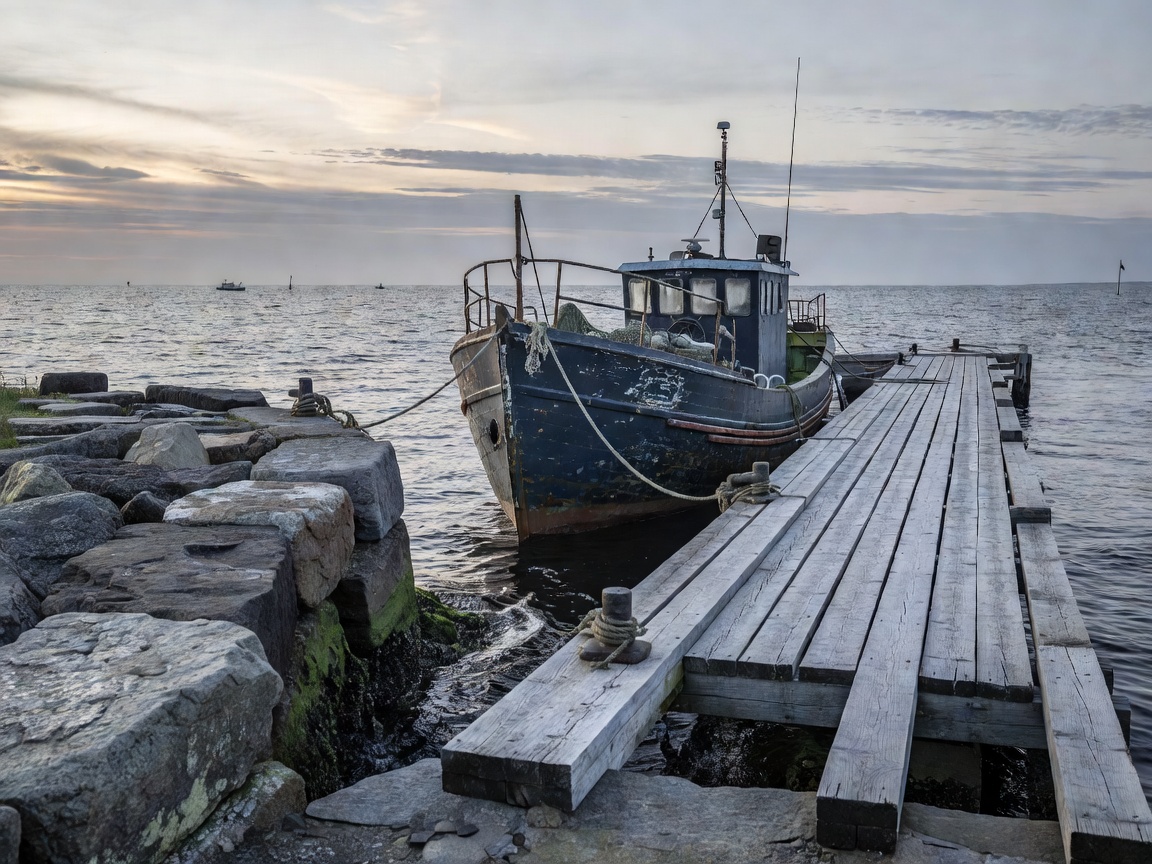
Latvia’s coastline includes the Gulf of Riga and stretches of open Baltic shore. Local maritime life varies with exposure, settlement, available landing places and access to markets. Fishing heritage can include boats, nets, repair skills, processing, seasonal work and household economies. It is useful to look for everyday labour as well as the vessel itself. A boat’s form reflects materials, water conditions, practical use and local knowledge.
Regional collections may interpret these connections at a smaller scale than a city museum. Their strength can be place-specific testimony: photographs, tools, oral histories, working landscapes or locally preserved craft. Do not assume all regional sites operate year-round. Verify opening and transport information before setting out.
Ports, shipbuilding and transport
Port histories are built from infrastructure and work. Quays and channels facilitate movement; storage, cargo handling, repair and administration support it. Shipbuilding and maintenance add another layer, from timber craft traditions to later industrial methods. A maritime collection can reveal this through models, plans, tools, images and records. Check whether interpretation addresses workers and production, rather than only finished vessels.
Latvia’s river and sea transport should be considered together. Inland waterways connect communities to the coast, while port routes connect the region to wider trade. Different historical periods changed technologies and political contexts. For precise dates, vessel histories or operational details, rely on institutionally documented material rather than general assumptions.
Navigation and coastal heritage
Navigation is practical knowledge: charts, bearings, landmarks, signals and local experience help a vessel travel safely. A chart presents a measured representation of water and shore; it is not a complete description of weather or risk. Coastal heritage may include lighthouses and other aids to navigation, but a landmark is not automatically open to visitors or operated as a museum. Confirm access with the site responsible for it.
Naval history can appear alongside commercial and civilian subjects. Compare the evidence used: official records, personal accounts, equipment, vessel plans or memorial interpretation. This avoids reducing maritime history to ships alone. It also makes visible how state, port, community and technical histories overlap without being identical.
How to select a visit
Start with a subject. For Riga’s urban history, look for a broad historical and navigation collection. For fishing, prioritize regional material rooted in a coast or community. For transport, find collections that connect river, port and land networks. For technology, seek tools, plans, models and clear explanations of construction or navigation. Then confirm the actual visitor offer.
- Check institution-run sources for opening hours, prices and temporary closures.
- Ask whether the material you want to see is currently displayed or requires an appointment.
- Confirm language options, step-free access, photography rules and transport connections.
- For rural or coastal stops, verify seasonal access and return transport.
Urban and regional collections
An urban institution may provide broad chronology, archival depth and links to trade networks. A regional collection can give a closer view of a particular working coast. They are complementary formats, not competitors. Use the city to understand systems and the coast to examine local experience. A route can include both, provided travel time and opening status are checked in advance.
Good for
- Visitors interested in Riga’s river-and-sea position.
- Research into fishing, coastal work and maritime communities.
- Comparing navigation, transport and port infrastructure.
What to know
Exhibitions, access conditions, prices and schedules can change. Verify all practical details with the institution directly. This guide does not claim affiliation with museums, ports or Latvian authorities and does not provide live visitor information.
Related guides
Baltic regions · Museum types · Lithuania · Estonia
CORRECTION / ENQUIRY